
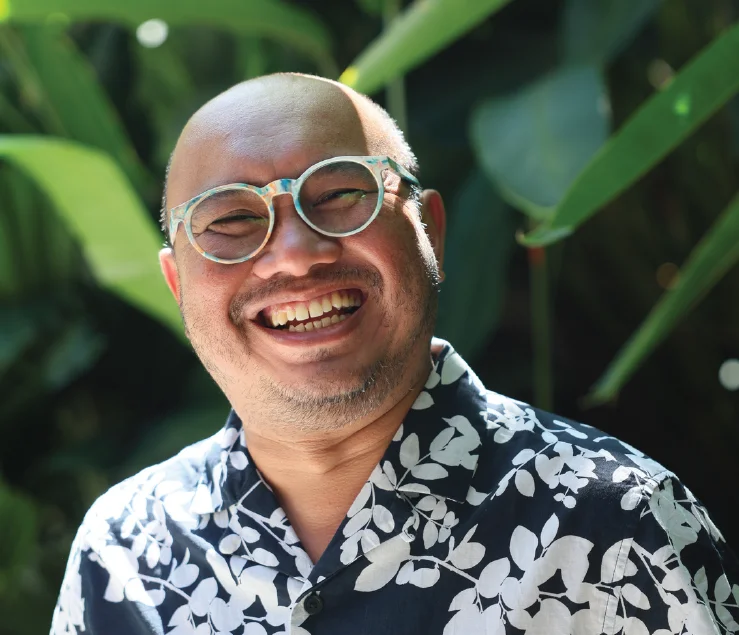
Behind the Counter with the Man Building 2080 Burger.
Everyone who opens a restaurant in Bali finds out fast that the real challenges aren’t on the menu. Supply chains have more friction than you’d think. Rent depends entirely on where you land. Good staff are hard to keep. And the low season doesn’t care how well you planned.
Burger 2080 opened anYou yway. We sat down with the owner to talk about what it’s actually taken, the costs nobody warns you about, what’s worked for marketing, and what he’d tell anyone thinking about doing the same.
Q: “Origin Story: Why Burgers, and Where Did the Name 2080 Come From?“
A: Honestly, the burger wasn’t the plan. The problem was when I arrived in Bali, I saw a huge gap between what tourists and young locals wanted and what was actually available. They wanted something casual, high-quality, and theirs, not just another imported chain. Burgers are a beautiful format. Humble but infinitely creative. You can tell your story through toppings, sauces, and the bread you choose. The name ‘2080’ came from asking ourselves: what will people want in 2080? What will Bali look like? We wanted something that feels forwardthinking, not stuck in nostalgia. Every decision we make, we ask: does this still work in 2080? It forces us to think longterm, not just chase today’s trend.
Q: “The Decision: What Made You Think a Burger Concept Could Work in Bali?“
A: Two things gave me confidence. I watched the demographic shift. Bali isn’t just for tourists anymore. It’s young Balinese professionals, digital entrepreneurs, and expats who live here, and they’re willing to spend on quality. And I’d failed at other things before, so I was humble about what I didn’t know. The first month was terrifying. We learned fast that the supply chain was fragile, so we started with 15 suppliers and mapped alternatives for every ingredient within two months. We also had to shift from hiring people to do a job to hiring people and developing them. Training took longer, but turnover dropped once people saw we invested in them. The restaurants that fail here are usually the ones that treat Bali like a testing ground. We decided to belong to Bali, not extract from it. That changed every decision.
Q: “Team: How Do You Find and Keep Good Staff?“
A: Hospitality burns people out fast. The difference between a place that thrives and one that burns through staff is whether people feel they have a future there, not just a paycheck. We hire for attitude over experience. Anyone can learn to flip a burger, you can’t teach someone to care. We look for curiosity, humility, and whether they actually like people. To keep them, we make the growth path visible, from prep cook to kitchen manager to potentially running their own location. We’ve had people move from entry-level to managing a station in 18 months. We also involve the team in decisions about the menu and culture, so they feel like co-creators rather than just staff. Honestly, we still lose people. But we lose fewer, and the ones who stay become the culture carriers who help us find the next good person.
Q: “Costs: What Caught You Off Guard? How Do You Handle Price Volatility?“
A: Labor and utilities. I’d budgeted for ingredient costs; that’s obvious. But Bali’s electricity is expensive, reliable power needs backup generators, and quality staff want fair wages. That all compounds. We built buffer margins into pricing so small ingredient fluctuations don’t force us to change the menu weekly. We also locked in supply contracts for our top ingredients, so we’re not chasing the cheapest option daily. Long-term, we’re investing in our own sourcing, working directly with local farmers to grow what we need. Riskier, but it builds relationships and gives us more control. When ingredient costs spike, we’re honest with the team. We show them the numbers and decide together what to do, whether that’s a small price increase or adjusting a menu item. They understand the why, so they become part of the solution.
Q: “Marketing: What’s Actually Working? What Flopped?“
A: What’s worked is Instagram, but not how you’d think. Not endless hero shots; we post real moments- the team during lunch rush, messy ‘this is what it actually looks like’ content. It feels real and gets better engagement. Partnerships with local creators and community leaders have worked too, more than influencers. When someone respected in Bali’s community mentions you, that carries weight. And honestly, just consistency. Same location, same crew, for 7 years. People know we’re not a pop-up. What didn’t work was traditional ads. We tried Google and Facebook ads early on, poor ROI. We also felt pressure to run constant promotions and deals, so we stopped and focused on being consistently good instead. Fake urgency doesn’t work either; ‘limited time offer’ reads as gimmicky when you don’t actually have supply constraints. Build something worth talking about, then get out of the way. Your customer should want to tell people about you.
Q: “Sourcing: Where Do Your Ingredients Come From?“
A: We’re obsessive about this because a burger is built on fundamentals: the bread, the beef, the produce. There’s nowhere to hide. Our beef comes from national importers who source quality cattle, it took months to build that relationship. Our bread is made in our own central kitchen, finding the right baker took time. Produce is a mix of local suppliers from Bedugul and Pasar Badung, plus some specialty items we import when something just doesn’t grow well here. We’d rather have fewer ingredients that are excellent than a massive menu of mediocre. And we’re committed to paying what things are worth, not what the cheapest person will accept. When suppliers know you’re reliable and pay fairly, they save their best product for you. It’s not altruism, it’s business. But it’s a business built on respect.
Q: “What’s Next? Where Do You See 2080 in a Few Years?“
A: In 2-3 years, I want more outlets outside Bali and Jakarta, each one genuinely rooted in its own community, not copypaste locations. I also want a supply chain we’ve built ourselves, maybe our own bread business, and direct relationships with a few key farms. And a team that’s grown into leaders. That’s the real metric of success. Long term, I’m not chasing ‘Bali’s most famous burger chain.’ I want a restaurant people feel good about supporting because they know where the money goes and what it stands for. First visit? Order the 2080 Classic. Perfect beef, melted cheddar, a good bun, and our sauce. If that doesn’t win you over, we haven’t earned the right to sell you anything fancier.
Q: “Advice for Someone Starting F&B in Bali Right Now“
A: Four things. Fall in love with the problem, not the concept. Too many people come to Bali with an idea, ‘I’ll do Italian, I’ll do vegan fast casual,’ instead of finding a gap that actually exists. Talk to 50 people, really listen, and solve something real. Hire for culture, not resume. Your team makes or breaks you, so invest in people who genuinely care, then develop them. Underpromise, overdeliver. Don’t make big claims about your food or your vibe, just be better than you say you’ll be. And understand your unit economics obsessively. Know what it costs to make every item, what your margins are, what your break-even is. Love and numbers need each other. Bali’s market can be brutally honest. You’ll have weeks where you question everything. But if you’re solving a real problem, you’ve built a team that cares, and you’re disciplined about the business side, you’ll make it. There’s real opportunity here for people who think long-term and play fair.
Heru Dwi Soesilo
2080 Burger Owner


